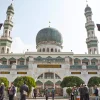
Tunisia: The North African Treasure You’ve Been Sleeping On

Discover Tunisia’s Islamic heritage, from Kairouan’s Great Mosque to Mediterranean beaches. This underrated North African gem offers authentic culture, UNESCO sites, and halal-friendly travel without the crowds.
Introduction: Why Tunisia Deserves Your Attention
When people think about Islamic heritage travel, their minds typically jump to Turkey, Morocco, or Egypt. Tunisia barely gets a mention—and that’s exactly why you need to go.
While tourists crowd into the same popular destinations, Tunisia quietly holds some of Islam’s most sacred sites, breathtaking history, UNESCO World Heritage treasures, and coastlines that rival any Mediterranean paradise. This is the North African gem that’s been hiding in plain sight, and it’s time we changed that.
What Makes Tunisia Different from Other Islamic Heritage Destinations
Tunisia doesn’t try too hard. There’s no over-tourism, no Instagram pose traffic jams, and no feeling like you’re experiencing a theme park version of history.
Tunisia is authentic. You’ll walk through 1,300-year-old medinas where people actually live and work. You’ll visit mosques that have been centers of Islamic scholarship since the 8th century. You’ll eat food that grandmothers have been perfecting for generations.
Between the history and spirituality, you’ll discover:
- Magnificent Roman ruins
- Underground Berber homes
- Vibrant street art villages
- Pristine Mediterranean beaches
Tunisia gives you everything—and it doesn’t make you choose.
Tunisia’s Sacred Islamic Heritage
Kairouan: Islam’s Fourth Holiest City
Most Muslims have never heard of Kairouan, which is remarkable considering it’s literally the fourth holiest city in Islam after Makkah, Madinah, and Al-Quds.
The Great Mosque of Okba Ibn Nafi
Built in 670 CE by the legendary companion Okba Ibn Nafi (RA), this mosque was the spiritual and educational lighthouse for the entire North African region. This wasn’t just a place of worship—it was the foundation of Islamic civilization’s westward expansion.
What makes it special:
- One of the oldest standing mosques in the Muslim world
- Towering minaret visible across the city
- Vast courtyard where generations of scholars gathered
- Prayer halls that have absorbed centuries of Quranic recitation
According to tradition, seven visits to Kairouan equal one Hajj. Whether you take that literally or spiritually, the reverence you feel standing in these ancient halls is undeniable.
The Zitouna Mosque: Tunisia’s Oxford of Islamic Learning
Located in the heart of Tunis, the Zitouna Mosque was founded in the 8th century and became one of the most important centers of Islamic learning in history.
This wasn’t just a place of prayer—it was the Oxford of the Islamic world for North Africa. Scholars traveled from across the Muslim world to study theology, Islamic law, science, and astronomy within these ancient walls.
Today, walking through its elegant arches and columned courtyards, you can almost hear the scholarly debates and Quranic recitations that defined the Islamic Golden Age. This is where knowledge and devotion met.
Ribats: Where Faith and Defense United
Tunisia’s ribats—fortified monasteries—are unlike anything else in the Islamic world.
The Ribat of Monastir
Built in the 8th century, the Ribat of Monastir served a dual purpose:
- Spiritual retreat: A place for prayer, study, and worship
- Military stronghold: A defensive position protecting the coast
Muslim warriors lived here, spending their days in prayer, study, and training—ready to defend the ummah while deepening their connection to Allah. These weren’t just soldiers; they were scholar-warriors who understood that protecting the Muslim community required both physical strength and spiritual grounding.
Walking through the towers, prayer halls, and inner courtyards, you realize this is what Islamic civilization looked like at its peak—faith, knowledge, and courage woven together.

Beyond Mosques: Tunisia’s Diverse Attractions
Underground Homes of Matmata
Remember Luke Skywalker’s home on Tatooine in Star Wars? That’s Matmata—and yes, people actually live in those underground houses.
The Berber troglodyte homes are carved directly into the earth, featuring:
- Sunken courtyards
- Cave-like rooms
- Natural climate control (cool in summer, warm in winter)
- Zero electricity needed
These homes represent centuries of brilliant, sustainable architecture. You’ll descend into these dwellings, meet families who still live this way, and witness indigenous knowledge that modern society has largely forgotten.
Roman Ruins That Rival Rome
Tunisia was once the beating heart of the Roman Empire’s North African territories, and the archaeological evidence is stunning.
El Jem Amphitheater
One of the largest Roman colosseums in the world, this amphitheater could hold 35,000 spectators. Stand in the center of the arena and imagine the roar of ancient crowds echoing off the stone walls.
Carthage: Layers of Ancient Civilizations
Yes, that Carthage—Hannibal’s Carthage—spreads across hilltops overlooking the Mediterranean. Here you’ll find:
- Phoenician ports
- Roman baths
- Byzantine churches
- Layers upon layers of civilizations in one archaeological wonderland
Tunisia doesn’t just have history—it is history.
Contemporary Culture: Art and Beauty
Not everything in Tunisia is ancient.
Djerbahood is an open-air street art gallery where international artists have transformed an entire village into a vibrant, colorful masterpiece. Massive murals cover traditional whitewashed walls, where contemporary creativity honors cultural roots.
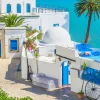
Sidi Bou Said is Tunisia’s most photogenic spot—a clifftop village featuring:
- Blue doors and white walls
- Cascading bougainvillea flowers
- Mediterranean panoramic views
- Charming terrace cafés perfect for mint tea and sunset watching
Tunisian Cuisine: An Underrated Culinary Treasure
Tunisian food doesn’t get enough credit, and that needs to change.
Must-Try Tunisian Dishes
Couscous: Light, fluffy, and perfectly spiced—an art form in Tunisia
Brik: Crispy pastry filled with egg, tuna, or meat that will ruin you for all other fried foods
Makroudh: Golden, date-filled pastries from Kairouan that melt in your mouth
Harissa: This spicy paste was recognized by UNESCO as intangible cultural heritage for good reason
Hands-On Cooking Experiences
The best part? You’re not just eating this food—you’re learning to make it. Authentic Tunisia journeys include hands-on cooking classes where you:
- Shop at local markets
- Select fresh ingredients
- Learn recipes passed down through generations
- Grind harissa from scratch
- Shape makroudh with your own hands
- Cook in traditional Tunisian homes
Food is memory, and these are memories you’ll taste for years.

Is Tunisia Right for Your Travel Style?
Tunisia Is Perfect For You If:
✅ You want Islamic heritage without tourist crowds
✅ You’re tired of surface-level “cultural experiences”
✅ You want history that actually moves you
✅ You appreciate authentic, lived-in culture
✅ You want adventure, spirituality, and relaxation in one trip
✅ You’re ready to discover a destination before everyone else does
Tunisia Might Not Be For You If:
❌ You need luxury resort bubble experiences
❌ You prefer destinations everyone’s already seen
❌ You’re not interested in deep cultural immersion
❌ You want everything in English with zero effort
Tunisia rewards curiosity, openness, and a willingness to be surprised.
Best Time to Visit Tunisia
Ideal Travel Seasons
March to May and September to November offer the best conditions:
- Perfect weather—warm but not scorching
- Comfortable temperatures for exploring ancient sites and medinas
- Fewer crowds than summer months
What to Avoid
July-August: Seriously hot temperatures make outdoor exploration challenging
Winter months: Cooler weather (though still manageable for hardy travelers)
Traveling During Ramadan
Ramadan in Tunisia offers a beautiful experience:
- Mosques come alive with spiritual energy
- Iftar spreads are legendary
- The spiritual atmosphere is palpable
- Just plan around daytime closures for some attractions
Practical Travel Information for Tunisia
Safety and Accessibility
It’s safe: Tunisia welcomes tourists warmly and has established tourism infrastructure
It’s affordable: Your money goes far—luxury experiences at mid-range prices
It’s easy to navigate: Especially with knowledgeable guides who know hidden gems and local stories
Halal-Friendly Travel
Tunisia is a Muslim-majority country, which means:
- Halal food is readily available everywhere
- Prayer spaces are easily accessible
- Modesty is naturally respected and understood
- Islamic culture is woven into daily life
The Underrated Advantage
Tunisia remains underrated on the global tourism stage—and honestly, that’s part of its charm. You’ll experience authentic culture without the commercialization that often comes with mass tourism.
Conclusion: Your Tunisia Journey Awaits
Tunisia offers something rare in today’s travel landscape: authenticity combined with profound Islamic heritage, stunning natural beauty, and rich historical layers spanning millennia. From the sacred halls of Kairouan to the underground homes of Matmata, from Roman amphitheaters to turquoise Mediterranean waters, Tunisia delivers experiences that will move your soul and expand your perspective.
This is your invitation to discover the North African treasure that’s been quietly waiting—before everyone else catches on.
Ready to explore Tunisia’s Islamic heritage and hidden wonders? Start planning your authentic North African adventure today.