Is Al-Aqsa Safe? What Muslim Travellers Need to Know Before Visiting

Is Al-Aqsa Safe?
The short answer: Yes, Al-Aqsa is safe for Muslim travellers when you have the right preparation and guidance. Millions of Muslims visit every year, and it remains one of Islam’s most visited sacred sites. The key is travelling with experienced local guides, understanding the political context, and knowing what to expect at each stage of your journey. This post covers the reality on the ground, how to prepare, and what makes the difference between a stressful trip and a life-changing spiritual experience.
The Short Answer: Yes, With the Right Preparation
Let’s address the question directly. Is Al-Aqsa safe for Muslim travellers? Yes, it is.
Millions of Muslims visit Al-Aqsa Mosque every single year. It remains one of the most visited sacred sites in Islam, and for good reason. This is where the Prophet Muhammad ﷺ led all the prophets in prayer during the Night Journey. For many Muslims, praying at Al-Aqsa is a once-in-a-lifetime spiritual milestone.
East Jerusalem, where Al-Aqsa is located, is home to a thriving Palestinian community. The streets are full of daily life: markets, families, shopkeepers, and worshippers going about their routines. The Al-Aqsa compound itself is peaceful. It is a sanctuary where people pray, reflect, and connect with their faith.
The Palestinian community is deeply welcoming to Muslim visitors. Hospitality is rooted in the culture, and you will feel that warmth from the moment you arrive.
That said, safety requires awareness. The political situation is complex, and travelling with the right guidance makes all the difference. With proper preparation, you can visit Al-Aqsa with confidence and focus on what truly matters: your spiritual journey.
The Reality on the Ground
To visit Al-Aqsa with confidence, you need to understand both what makes it safe and where the complexities lie. Let’s be transparent about both.
What Makes Al-Aqsa Safe
The Palestinian community in East Jerusalem is welcoming and hospitable. Muslim visitors are received warmly, and you will find a genuine sense of brotherhood and sisterhood from locals who are proud to share their city with fellow Muslims from around the world.
East Jerusalem is not a war zone. It is a living, breathing city with active markets, busy cafes, families going to school, and worshippers heading to prayer. The Old City is full of daily life, and tourists walk its streets every day.
Inside the Al-Aqsa compound, you will find peace. This is a place of worship, reflection, and spiritual connection. People sit quietly reading Quran, children play in the courtyards, and the call to prayer echoes across the plaza. It is a sanctuary in the truest sense.
The Political Context You Should Understand
At the same time, Al-Aqsa exists within a complicated political reality that you should be aware of before you travel.
Israeli occupation means there are checkpoints, restrictions, and occasional closures. Access to Al-Aqsa can be limited, especially during politically sensitive times such as Ramadan, Jewish holidays, or periods of heightened tension.
Entry restrictions sometimes apply based on age and gender. During tense periods, Israeli authorities may limit access for men under 50, though women are usually permitted without restriction.
Clashes do occur from time to time, typically between Palestinian worshippers and Israeli forces. These tend to happen on Fridays or during political flashpoints. They are not constant, but they are a reality of the occupation.
None of this means you should not visit. It means you should visit prepared, informed, and with the right support around you.
How We Keep You Safe: Islamic Travel’s Approach
Visiting Al-Aqsa is not the same as visiting a typical tourist destination. The situation changes, access can shift, and having expert guidance available is important. But we also want to be clear: East Jerusalem and the Old City are places where you can move around freely and safely.
Palestinians are incredibly friendly, welcoming, and supportive of Muslim visitors. You will find shopkeepers happy to chat, locals offering directions, and a genuine sense of community. This is not a place where you need to look over your shoulder or stay glued to a guide. You can explore the markets, sit in a cafe, walk the ancient streets, and soak in the atmosphere at your own pace.
Our role is to make sure you arrive prepared, know what to expect, and have support when you need it. Here is how we do that.
Professional Local Palestinian Guides
Our guides are Palestinians who live in Jerusalem. They understand the daily reality because they experience it themselves. They know how to navigate checkpoints, when access restrictions might apply, and how to help if any unexpected situations arise.
But you are not being supervised. Our guides are there to support you, answer questions, and handle logistics. When you want to wander the Old City on your own, you are free to do so. Most of our guests find that once they arrive, they feel completely at ease exploring independently.
Pre-Tour Seminars Before You Depart
Between 10 and 20 days before your departure, you will be added to a WhatsApp group with your fellow travellers and our team. This is where we prepare you properly for what lies ahead.
You will receive current situation updates so you know exactly what is happening on the ground. We will explain the latest entry requirements and any restrictions in place. You will get security tips, guidance on what to expect at the airport and inside Jerusalem, and travel advice videos to watch before you leave.
By the time you board your flight, you will feel informed and ready. And once you arrive, you will see for yourself how welcoming and safe the environment is.
Flexible Itinerary Planning
We do not pretend that everything will go exactly to plan. The reality is that Al-Aqsa access can sometimes be restricted on short notice.
If that happens, we adjust. We extend time in the Old City, visit other sacred sites, or reorganise the schedule so you still have a meaningful and fulfilling experience. Flexibility is built into how we operate.
Coordination with Local Networks
We work closely with Palestinian networks who monitor conditions on the ground. If something changes, we know about it and can respond accordingly.
We also keep group sizes small, and travel insurance is mandatory for all our guests. These are simply good practices that give you peace of mind, not because the destination is dangerous, but because thoughtful preparation is part of how we operate.
What to Expect at the Border Crossings
For many Muslim travellers, the border crossing is the part that causes the most anxiety. Let’s be honest about what to expect so you can prepare properly.
There are two main entry points to reach Jerusalem. The first is Ben Gurion Airport in Tel Aviv, which is the main international airport. The second is the Allenby Bridge crossing (also known as King Hussein Bridge) between Jordan and the West Bank. Because we often combine our Al-Aqsa trips with Jordan, the Allenby Bridge is the crossing we use most frequently.
Both crossings involve Israeli security, which is thorough. Muslim travellers visiting Al-Aqsa may face additional questioning at either entry point. This is not unusual, and it is not personal. It is simply part of the process.
At passport control, you may be asked about the purpose of your visit, where you are staying, and why you want to visit Al-Aqsa. The best approach is to be honest, calm, and patient. Have your hotel confirmation and return travel details ready to show if asked.
Questioning can take anywhere from 30 minutes to 3 hours. This can feel frustrating, but it is a normal part of entry for many Muslim visitors. Do not let it rattle you. Answer questions politely, stay relaxed, and understand that this is a process thousands of Muslims go through every year.
Some practical tips to make the experience smoother:
Dress modestly but not in a way that draws unnecessary attention. Have all your travel documents organised and easy to access. Keep your answers simple and consistent. If you are travelling with our group, you will have been briefed in advance on exactly what to expect and what to have ready.
The Allenby Bridge crossing can be slower than the airport due to the additional logistics of crossing between Jordan and the West Bank. But our local team coordinates on both sides to make the process as smooth as possible. Once you clear the crossing, you will be met and taken directly to Jerusalem.
The border process is a small inconvenience for what lies ahead. Once you are through, the spiritual journey begins.
What to Expect Inside Jerusalem and at Al-Aqsa
Once you are through the border, the atmosphere changes completely. Jerusalem is a city unlike any other.
Navigating the Old City
The Old City is safe and easy to explore. The streets are narrow and winding, full of shops, food stalls, and centuries of history. You will see families going about their daily routines, children playing, and traders calling out to passersby.
Palestinians are genuinely warm and welcoming to Muslim visitors. Do not be surprised if a shopkeeper invites you for tea or a local stops to wish you a blessed visit. You are free to wander, explore the markets, sit in a cafe, and take your time. The Old City is meant to be experienced slowly.
Dressing modestly is recommended as a sign of respect and helps you blend in naturally with the local community.
Entering Al-Aqsa Compound
Access to Al-Aqsa is through gates controlled by Israeli police, so expect a bag check at entry. Once inside, you are in a different world entirely.
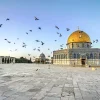
The compound is vast, peaceful, and beautiful. The Dome of the Rock glows golden in the sunlight. People sit in quiet reflection, families gather on the courtyways, and the atmosphere is one of deep spiritual calm.
Be respectful with photography and ask permission before photographing worshippers. Keep your visit focused on prayer and reflection.
Standing where the Prophet Muhammad ﷺ led the prophets in prayer is something that stays with you forever.
When to Be Extra Cautious
While Al-Aqsa is safe to visit throughout the year, there are certain periods when you should be more aware of potential restrictions or heightened tension.
During Ramadan, Al-Aqsa sees a huge increase in worshippers, especially for Taraweeh prayers. This is a beautiful time to visit, but Israeli authorities often tighten access restrictions, and tensions can rise. If you plan to visit during Ramadan, be prepared for possible limitations on entry.
Jewish holidays can also affect access. During certain religious observances, Israeli authorities may restrict Muslim entry to the compound or close it entirely for periods of time.
Periods of escalated conflict, such as tensions in Gaza or unrest in Jerusalem, can also impact conditions on the ground. Access may be limited, and the general atmosphere can feel more tense.
We monitor all of these situations closely. If safety is ever compromised, we will adjust plans or reschedule your tour. We would rather delay your visit than put you in an uncomfortable situation. Transparency is part of how we operate, and we will always keep you informed.
Why This Journey Is Worth It
With all this talk of checkpoints, border crossings, and restrictions, it is easy to lose sight of why you are doing this in the first place.
Al-Aqsa is the third holiest site in Islam. This is where the Prophet Muhammad ﷺ was brought on the Night Journey, and where he led all the prophets in prayer before ascending to the heavens. There is no other place on earth quite like it.
For many of our guests, praying at Al-Aqsa is a lifelong dream. And when they finally stand in the compound, looking up at the Dome of the Rock, they tell us the same thing: every checkpoint, every question at the border, every moment of uncertainty was worth it.
This journey is not just a holiday. It is a chance to connect with your faith, walk in the footsteps of the prophets, and experience something that will stay with you for the rest of your life.
We often combine Al-Aqsa with Jordan, visiting sites like Petra, Mount Nebo, and the caves where the People of the Cave (Ashab al-Kahf) are believed to have slept. It becomes a journey through Islamic and prophetic history that is hard to match anywhere else in the world.
If Al-Aqsa has been on your heart, do not let fear hold you back. With the right preparation and guidance, this is a journey you can make safely and confidently.
Frequently Asked Questions
- Is Al-Aqsa safe for female travellers?
Yes. Women generally face fewer entry restrictions than men, and the Old City and Al-Aqsa compound are safe for female visitors. Many of our guests are women travelling with family or in our group tours, and they consistently tell us they felt welcomed and comfortable throughout their visit.
- Can Australian Muslims enter Israel to visit Al-Aqsa?
Yes. Australian passport holders can enter Israel and the Palestinian territories. You do not need a visa in advance for short visits. You may face additional questioning at the border, but thousands of Australian Muslims make this journey every year without issue.
- What happens if Al-Aqsa is closed when I arrive?
If access is restricted during your visit, we adjust the itinerary. We extend time exploring the Old City, visit other sacred sites, or reorganise the schedule. Our local team monitors conditions daily, and flexibility is built into every trip we run.
- Is it safe to visit Al-Aqsa during Ramadan?
Ramadan is a special time to visit Al-Aqsa, with thousands of worshippers gathering for Taraweeh prayers. However, access restrictions are often tighter during this period. If you want to visit during Ramadan, we recommend booking early and being prepared for possible limitations on entry.
- Do I need a visa to visit Jerusalem and Al-Aqsa?
Australian and New Zealand passport holders do not need a visa for short tourist visits. Entry is granted at the border. However, you should have your accommodation details and return travel information ready to show at passport control.
- Can I visit Al-Aqsa independently or do I need a tour?
You can visit independently, but we strongly recommend travelling with an experienced group, especially for your first visit. Having local Palestinian guides, pre-departure briefings, and on-the-ground support makes the experience smoother, safer, and more meaningful.
- Is it safe to combine Al-Aqsa with Jordan?
Yes, and this is the combination we recommend most often. Jordan is a safe, Muslim-majority country with incredible historical sites. Crossing from Jordan to Jerusalem via the Allenby Bridge is the route we use regularly, and our team coordinates logistics on both sides.
Ready to Visit Al-Aqsa?
If Al-Aqsa has been on your heart, now is the time to take the next step.
Our Heart of Al-Quds tour is designed to take the stress out of this journey. You will travel with experienced Palestinian guides, receive full pre-departure briefings, and have the support of a team that knows Jerusalem inside and out. We also combine this trip with Jordan, so you can visit Petra, Mount Nebo, and other incredible Islamic heritage sites along the way.
Small groups. Flexible itineraries. Real local knowledge. And a journey that will stay with you for the rest of your life.
View The Heart of Al-Quds Tour
If you have questions or want to chat about whether this trip is right for you, reach out to our team. We are happy to help.